
Lip filler basics and results
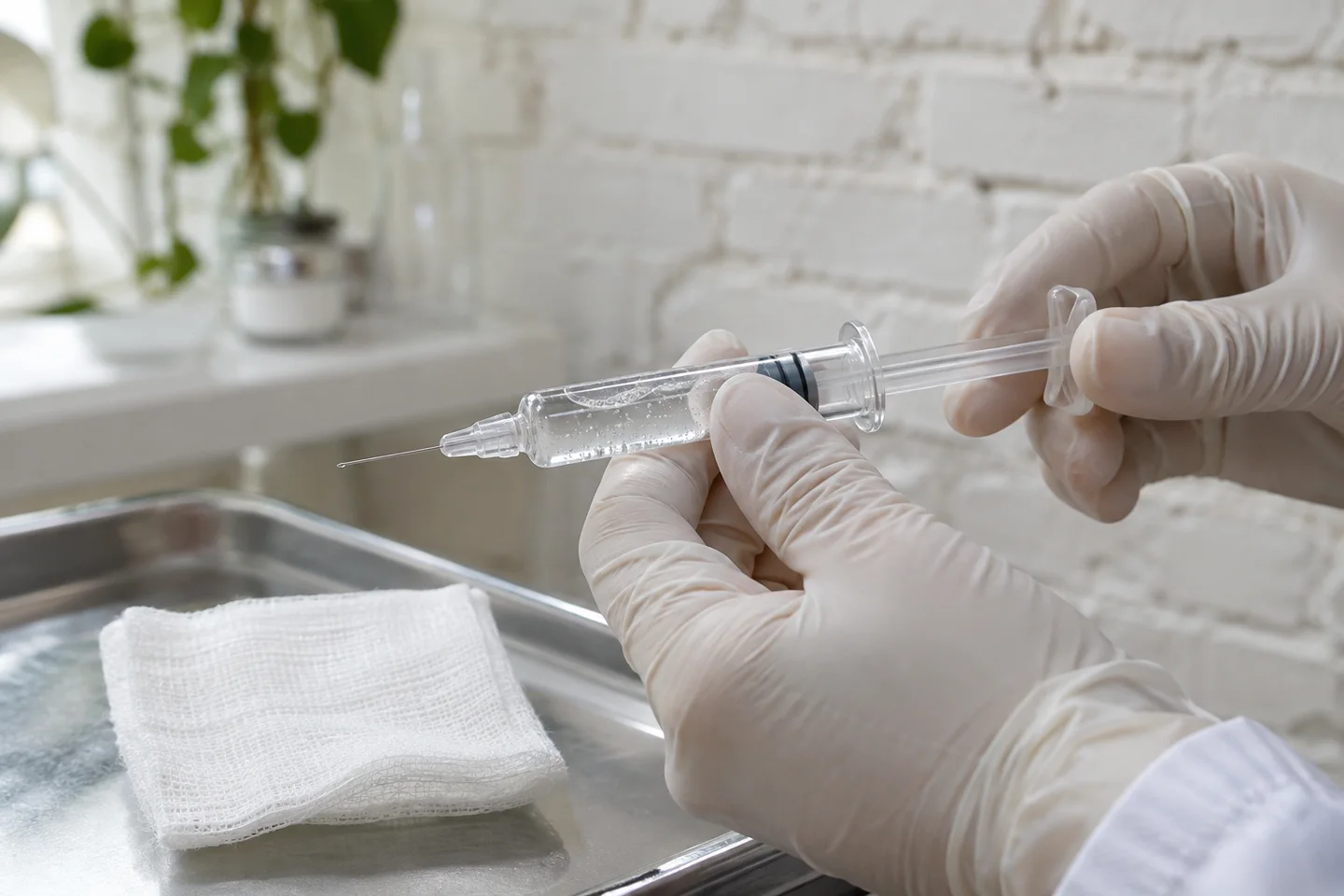
A good first question about lip filler is simple: what exactly goes into my lips, and what should it look like when it is done?
The U.S. Food and Drug Administration describes dermal fillers as gel-like substances injected under the skin. It adds that they are meant to create a smoother or fuller appearance, or both. For lips, Healthline notes that hyaluronic acid has a "plumping" effect that's useful for both wrinkles and volumizing the lips.
Understanding what you are getting
Start here if you are still deciding. These pages describe the product, the visit and who the treatment suits.
- What are lip fillers made of? looks at what is in the syringe.
- Lip filler procedure: what happens during treatment? walks through the appointment.
- Lip filler candidates: who is suitable? covers who the treatment fits.
- Does getting lip filler hurt? answers the comfort question.
Questions about results, lifespan and price
Once the filler is in, the questions turn to the outcome, and then to what you are paying for it.
- Lip filler results: when do final results appear? explains why the first look is not the last one.
- How long do lip fillers last? covers how long the effect stays.
- Lip filler cost: what affects the price? covers what moves the number up or down.
Swelling and bruising belong to a separate hub, lip filler aftercare and swelling, because they raise a different kind of question.
Reading further on safety
Three outside sources are worth keeping open while you compare providers. The American Society of Plastic Surgeons has a post on how to avoid complications from dermal fillers. The U.S. Food and Drug Administration keeps a page on dermal fillers, also called soft tissue fillers. The American Academy of Dermatology explains the risks of needle-free fillers, which is useful if a provider offers an option without a needle.
The question to ask before you agree to filler
Ask the provider which product they plan to use and what they do if you are unhappy with the result. Get both answers before anything is injected.