
Laser hair removal essentials
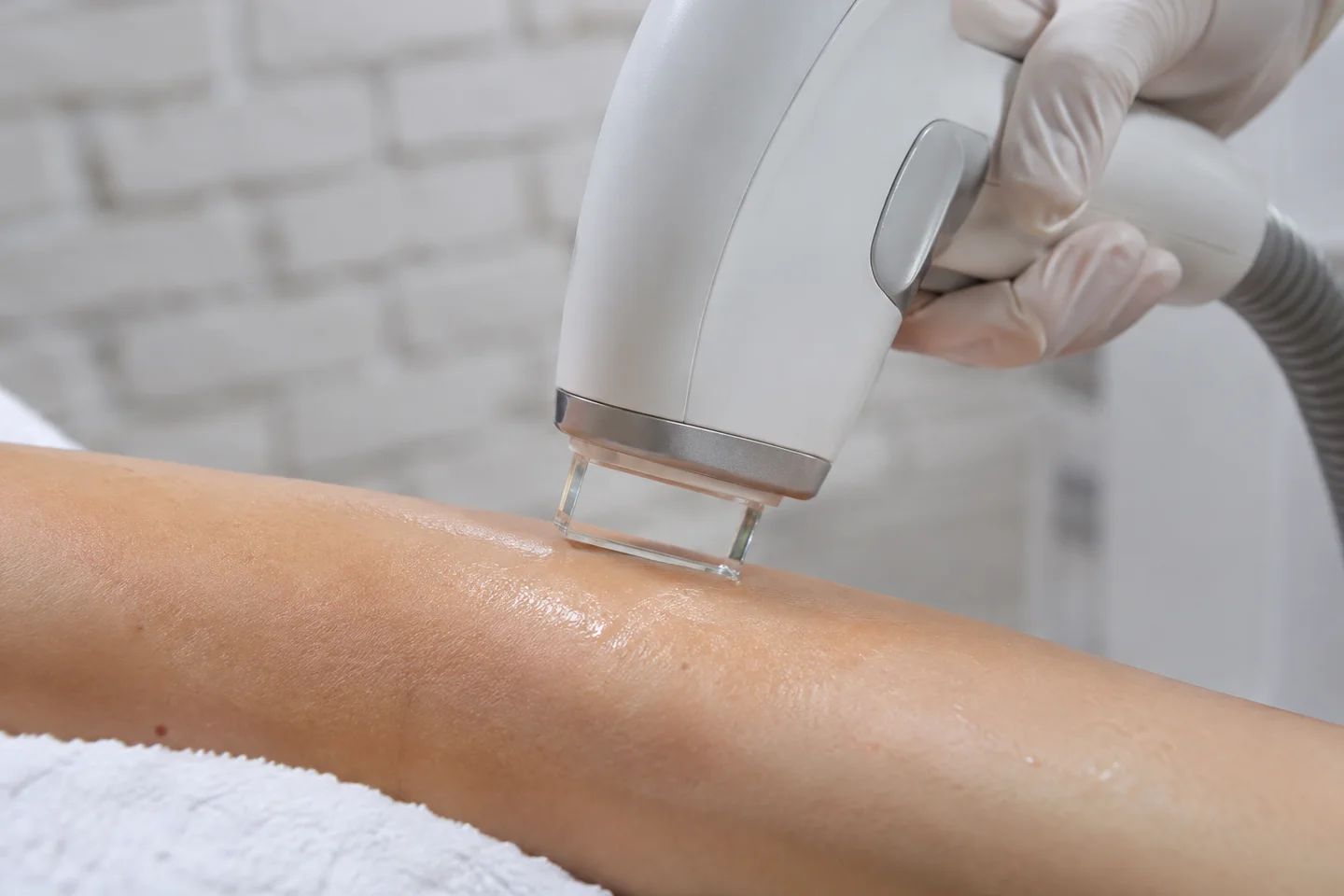
Skin that looks different after laser hair removal is a common reason to open this page. Before you decide whether it is ordinary, it helps to know what the treatment is meant to do.
Healthline describes laser hair removal as a noninvasive way to reduce or remove unwanted body hair. The American Society of Plastic Surgeons puts the mechanism this way: it is a noninvasive technique that uses highly concentrated light to penetrate hair follicles and inhibit future hair growth. If you want a third overview, WebMD's laser hair removal guide walks through benefits, side effects and cost in one place.
Questions about the session and the days after it
These pages cover what you will go through and what you may see on your skin.
- Laser hair removal procedure: what happens during a session? explains the visit from start to finish.
- Laser hair removal side effects: which are possible? lists what can show up on the skin.
- Does laser hair removal involve downtime? answers the question about getting back to your week.
- After laser hair removal, what must a patient do? covers the steps that follow a session.
For patient-facing background from a professional body, the patient resources from the American Society for Laser Medicine and Surgery are a reasonable place to read further.
Questions about timing and results
These pages deal with the calendar: when results arrive, how long they hold and how far apart sessions should sit.
- When do results show after laser hair removal? sets expectations for the first weeks.
- Laser hair removal results: how long will they last? covers how long the effect holds.
- When can another laser hair removal treatment be done safely? covers the gap between sessions.
The American Society of Plastic Surgeons keeps its own laser hair removal page for readers who want the specialty society's view, and Healthline's article on whether laser hair removal works addresses the results question directly.
The question to ask before you agree to treatment
Before you book a series, ask the provider what they want to hear from you if your skin reacts, and how quickly they expect that call. Get that answer before you pay.