
Botox wrinkle treatment basics
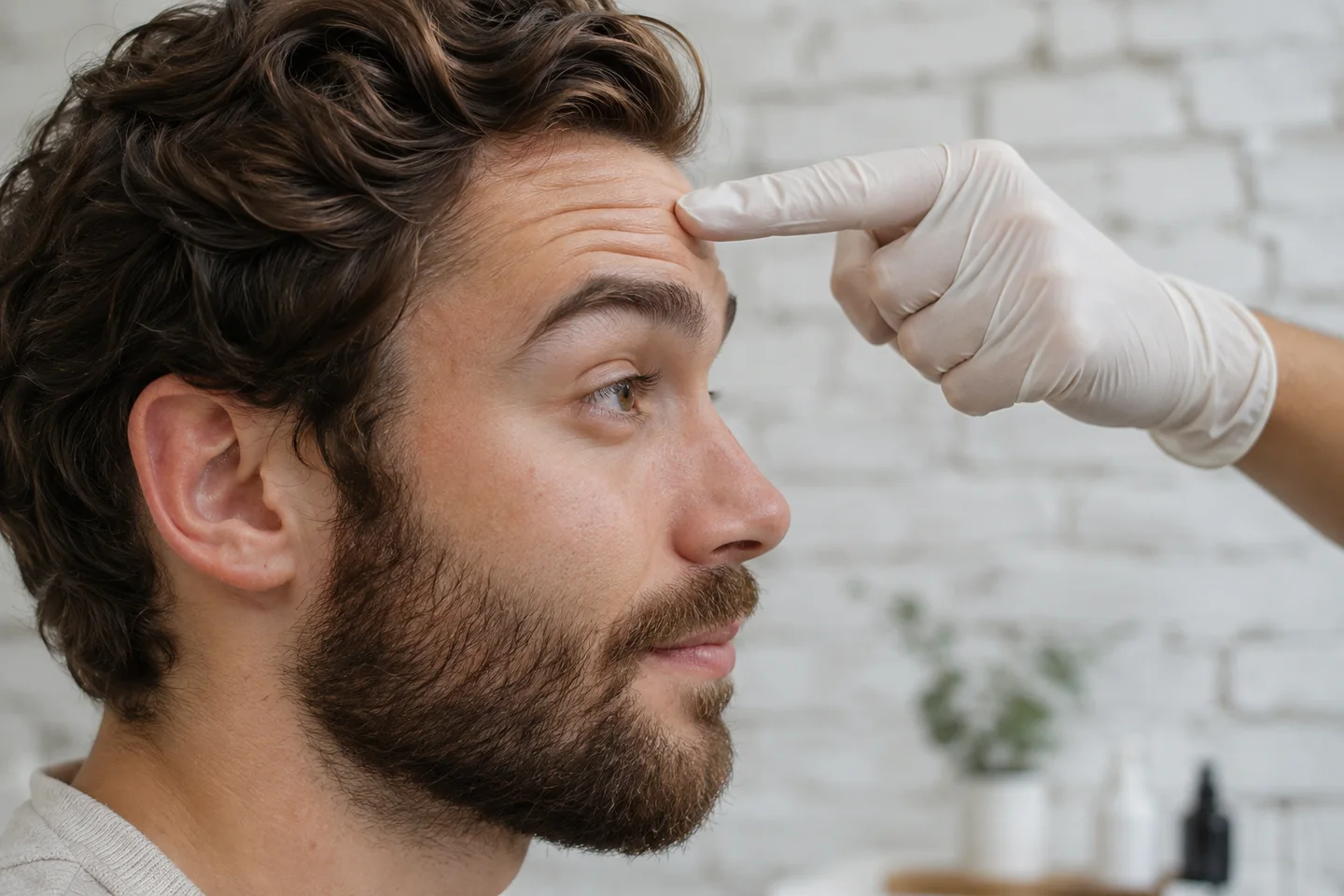
A frozen look or a numb spot after an appointment is a common reason to open this page. To judge either, it helps to know what the treatment is doing in the muscle.
Cleveland Clinic explains that Botox blocks nerve signals to muscles, so injected muscles can't contract (tense up). It also says these effects are always temporary, but can last for several months. As for what it treats, WebMD says Botox is mainly used to treat dynamic wrinkles, which are those that form due to facial movements when you make expressions, such as frowning, smiling, and squinting.
Questions about how it feels and looks
These pages cover what you may notice on your face, and whether it is part of the treatment or a reason to ask.
- Does Botox take away facial expressions? takes on the worry about looking frozen.
- Will skin feel numb where Botox is injected? takes on the numbness question.
- Botox side effects: which ones are possible? lists what can follow an injection.
For a longer read on the same ground, Healthline's piece on common side effects and long-term safety and Cleveland Clinic's overview of botulinum toxin injections are both written for patients.
Questions about the days and months after
These pages deal with the time around the appointment.
- Is there downtime after Botox injections? covers whether you can carry on with your day.
- What must a patient do after a Botox procedure? covers what to do once you leave.
- Botox schedule: when is another treatment safe? covers the spacing between visits.
WebMD's guide to how Botox works, what it costs and what to expect gives a broader view if you are comparing options.
The question to ask before you agree to Botox
Ask the provider what they consider a normal result a week out, and what result would make them want to see you again. Get both answers before the appointment.